Refractory Clay Powder Form
This commodity history information is marked as powder.
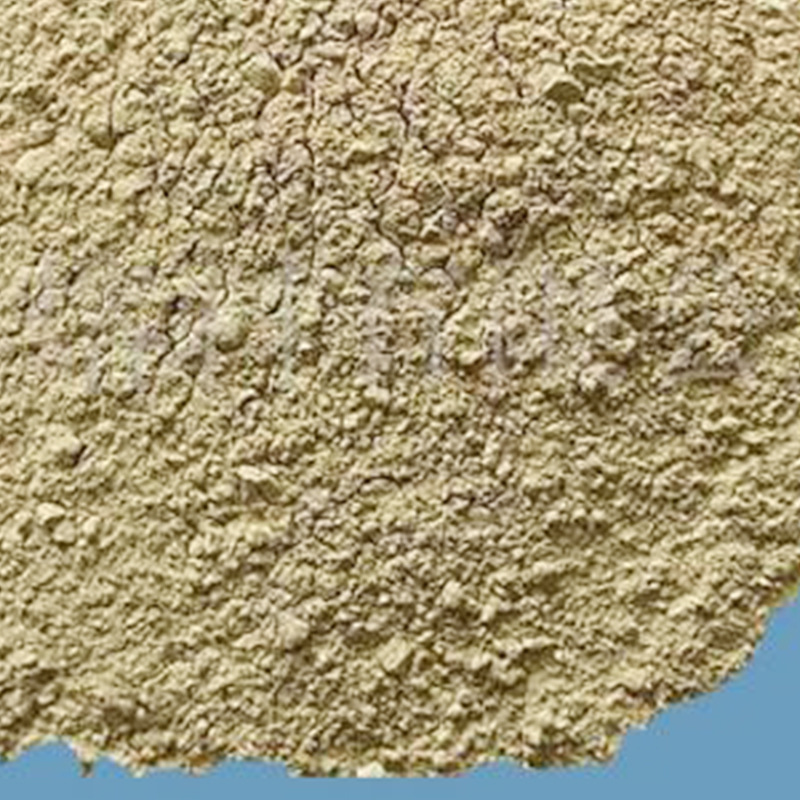
For refractory material selection and kiln lining work. Specify the installation area and application method so the required supply form can be confirmed: clay powder, masonry mortar or castable.
Photos are reference materials. Confirm dimensions, tolerances, service temperature, load and application conditions for your order.
The sketch shows the component features to discuss against your project drawings.
This commodity history information is marked as powder.
Identification of fit range by refractory component, method of construction, exposure medium and usage.
The powder is checked against agreed receiving and inspection items such as particle size, water content, etc., and the conditions for detection are based on technical information.
Provide drawings or samples, operating conditions, quantity and delivery requirements.
The historical listing identifies refractory clay powder. Confirm particle size and composition for the order. Refractory mortar is used in brick joints and castable is installed by casting; each has its own formulation and installation requirements.
See the application images and technical references below.
Select an image to enlarge it.
Historical images show equipment, kiln furniture and ware. The site, production batch and project attribution remain to be confirmed.
Historical photos are provided for reference.
These applications are based on available product records. Confirm suitability for the specific project.
High-temperature kilns for fire-resistant construction and ancillary powder applications; particle size, combination approach, construction methods and applicable areas require additional confirmation.
The use of text as historical commodity information is not equivalent to verified delivery cases.Check kiln type, temperature zone, atmosphere, load, installed position and mating structure against drawings or samples.
When separate live photographs are not available to prove their practical application, other commodity photographs are not used for filling.The industry picture is used to observe the location of the inner walls, fire-resistant linings and insulations of the kiln.
Specific material grades, indicators and range of supplies are identified by project.
The request is for applications, particle size requirements, and proposed bricks or combinations.
Access to available technical informationChecks brick numbers, ash thickness, and the way to reconcile.
View refractory mostar dataDistinction between work and insulation requirements based on the use of the area, specifying the thickness of the liner, the manner of construction and the conditions of the oven.
View technical parameters of refractory baseThe selection is based on the available construction space and form.
- Check the stings and plastics.In case of watering, please describe the existing liner, template or anchor conditions, as well as maintenance and oven arrangements.
Use these sketches to discuss the design. Confirm component shape, openings and load requirements against approved drawings.
Provide the component geometry, operating conditions and delivery requirements.
Use of parts, structures, supporting materials and interfaces
Brick/powder patterns, dimensions, quantities, construction methods and maintenance conditions
Cooking, hot zone, atmosphere, heating and cooling conditions
Packaging, batching, delivery nodes and acceptance items
Sizes, material indicators and applicable conditions are to be identified in conjunction with project information.
Confirm dimensions, openings, tolerances, allowable temperature, load and expected service life with Yukang.
The following are the material grades and indicators in a third-party public sample for an optional comparison: the supply plate number of the Yukang project, the acceptance indicator and the conditions of construction are based on the technical documents after confirmation.
| Indicators and test conditions | QG-1.0 | QG-0.8 | QG-0.6 |
|---|---|---|---|
| Volume density (g/cm3) | 1.0 | 0.8 | 0.5 |
| Thermal transport coefficient (350 °C, W/(m K)) | ≤0.30 | ≤0.25 | ≤0.15 |
| Temperature stress strength (110 °C x 24 h processed, MPa) | ≥4.0 | ≥2.0 | ≥1.5 |
| Permanent line rate of change (100 °C x 3 h, %) | −1.0 | −1.0 | −1.5 |
| Indicators and test conditions | GQ-75 | GQ-85 | GQ-90 |
|---|---|---|---|
| Al2O3 content (%) | 75 | 85 | 90 |
| Volume density (110 °C, g/cm3) | 2.75 | 2.90 | 3.00 |
| Temperature stress strength (110 °C x 24 h processed, MPa) | 120 | 140 | 150 |
| Rate of change in the rear burner line (1100 °C x 3 h, %) | ±0.4 | ±0.3 | ±0.2 |
The data correspond to the samples or batches listed in the original information.
Discuss the component shape, material, structure and operating conditions.
Ask About This Product ↗Specify the kiln type, installation location, operating conditions and expected quantity.
Confirm dimensions, interfaces, assembly fit and tolerances.
Confirm material, inspection criteria and delivery conditions.
Quotation is based on confirmed specifications, quantity, packing and delivery requirements.
Provide photos or drawings of the existing part, dimensions, support layout, quantity and operating conditions.
Phone / WhatsApp +86 137 8227 9908 [email protected] · WhatsApp