Hollow Cross-Section and Internal Channels
The photos show internal channels at the shelf edge. If the design also has holes through the shelf face, specify their diameter, spacing, open area and edge distance separately.
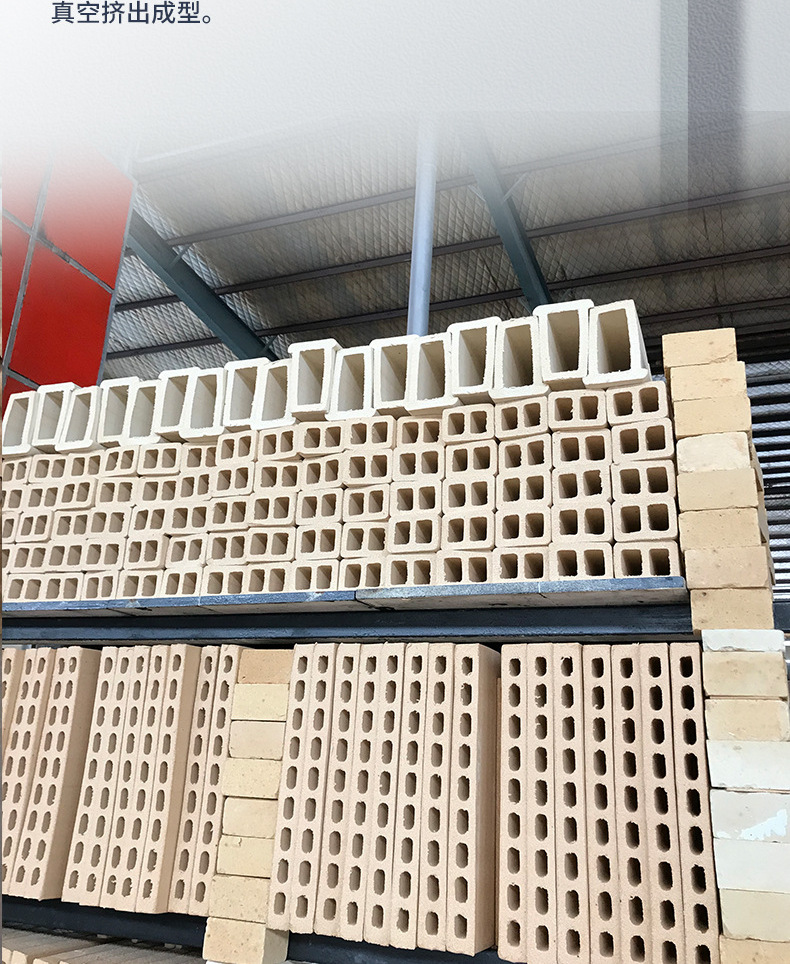
Hollow shelves support ware in multi-tier kiln furniture systems. Distinguish internal channels visible at the shelf edge from through-holes in the shelf face. Confirm thickness, support span and load.
Size, range, temperature and load requirements are based on the confirmation of drawings and project information.
The identifiable characteristics of the product around product structure, processing methods, application conditions and project service description.
The photos show internal channels at the shelf edge. If the design also has holes through the shelf face, specify their diameter, spacing, open area and edge distance separately.
The outer dimensions, holes and plate structures may be communicated on the basis of the kiln cross-section, burn products and support.
Quality requirements, appearance and size of acceptance projects are agreed to as projects and do not use unjustified fixed performance commitments.
Technical and commercial communication around drawings, samples, the use of operating protocols and the delivery of information.
The product is identified as a hollow cordierite–mullite kiln shelf. Confirm the material grade and forming method for the required size.
The first three original screen maps are supplemented with independent angles and product mix information in the historical backup of this commodity.
Photograph the end of the box with the international channels; dimensions, holes and packaging are confirmed by project information.
You can see multiple hollow kiln shelf stacks on trays and on the local channels side; sizes and batches are confirmed with official information.
The photographs of the site are available on multiple panels and in an international calendar; specifications, batches and site affiliation are to be verified.
The following photographs are taken from historical details of the commodity and are used to display the packaging, storage and equipment scene; the location of the film, the affiliation of the enterprise and the production relationship of the commodity have not yet been independently verified and are not used as a case of Yukang's own production site or client.
The application directions include Sanitaryware, micro-crystal and bubble ceramics, brick industry and building ceramics, and related kiln furniture and kiln systems.
The original commodity details include the sanitaryware kiln furniture and kilns as application directions.
Photographs of the scene below can be found with holes kiln shelf burning; the specific project and the correspondence of this commodity are to be verified.The original commodity details indicate the direction of the microcrystal glass; bubble ceramics are designated by the user as the direction of the presentation. kiln shelf structures, temperature systems, atmosphere and support need to be identified in combination with actual operating conditions.
Project information is required for the specific suitability and use of both products.The size of the communication belt kiln shelf, international channels, and the support mode and kil looding conditions can be constructed around bricks and building ceramics. Specific compatibility is confirmed by kiln type, temperature system and load condition.
The application direction is specified by the user; no live photographs verified as the industry project are available at this time.A project communication is used for kiln loading tier and supporting support structures. The support spacing, support post location, stacking layers and loads are to be graphed.
The direction of the application is derived from historical commodity information, with project-specific cases and supporting relationships to be verified.The direction of the Sanitaryware, Micro-Crystal Glass and Kiln Furniture systems is based on historical commodity information; the bubbling ceramics, the brick industry, and the building ceramics are designated by the user as the direction for their presentation. The below site photographs show only visible ceramics to be burned, and the project's correspondence with the commodity remains to be verified.
The following three images of the original commodity details are set out for the historical scene only; the specific project and the use relationship of the commodity are to be verified and are not confirmed.
The above-mentioned four photographs of the burning site are available for users.
Fifteen photographs of the scene were previously displayed; three new ones were added, two of which are above the burning scene and one of which is added below the kiln loading layout. The pictures can be viewed by clicking on the full original map.
The product type, material plate number, site affiliation and project correspondence in the photographs are yet to be confirmed by the enterprise information; the site is not set up as a fixed process or performance commitment.
The size, hole, bearing distance and load of the hollow kiln shelf must be confirmed in conjunction with the kiln structure. The schematic diagram is used only to describe the communication fields and is not a substitute for the official production of the drawings.
The following fields are used to organize project needs and do not represent confirmed parameters.
Long, wide, thick, perforated, rounded, tolerances and border structure.
Support post position, spacing, panel approach and number of stacks.
The type of kiln, the temperature system, the atmosphere and the mode of cooling.
Quantity, packaging, acceptance rules, drawing versions and delivery nodes.
The two historical specifications provided by the user are displayed and the original details are maintained for retroactive purposes; the size, weight and load of the table are not considered to be the current fixed specifications.
The two specifications below are provided by the user, and the load data under the size, weight, and 1200°C conditions have not been reviewed item by item and are not used as current product parameters or performance commitments.
The product is structured to communicate and produce according to project requirements.
Counseling this one. ↗Provide kiln type, location, target temperature, atmosphere and quantity.
Reconcile plate sizes, holes, interfaces, public transport and supporting relationships.
Identification of materials, structures, receiving and inspection boundaries and conditions of delivery.
The quotation is based on the final specifications, quantity, packaging and delivery period.
It is recommended that old photographs or drawings, long thickness and holes, support spacing, burn products, quantity and use of operating submissions be provided.