Specify Kiln Furniture for Your Operating Conditions
Confirm where the component will be used. Then check dimensions, material and fit against firing conditions and mechanical loads.
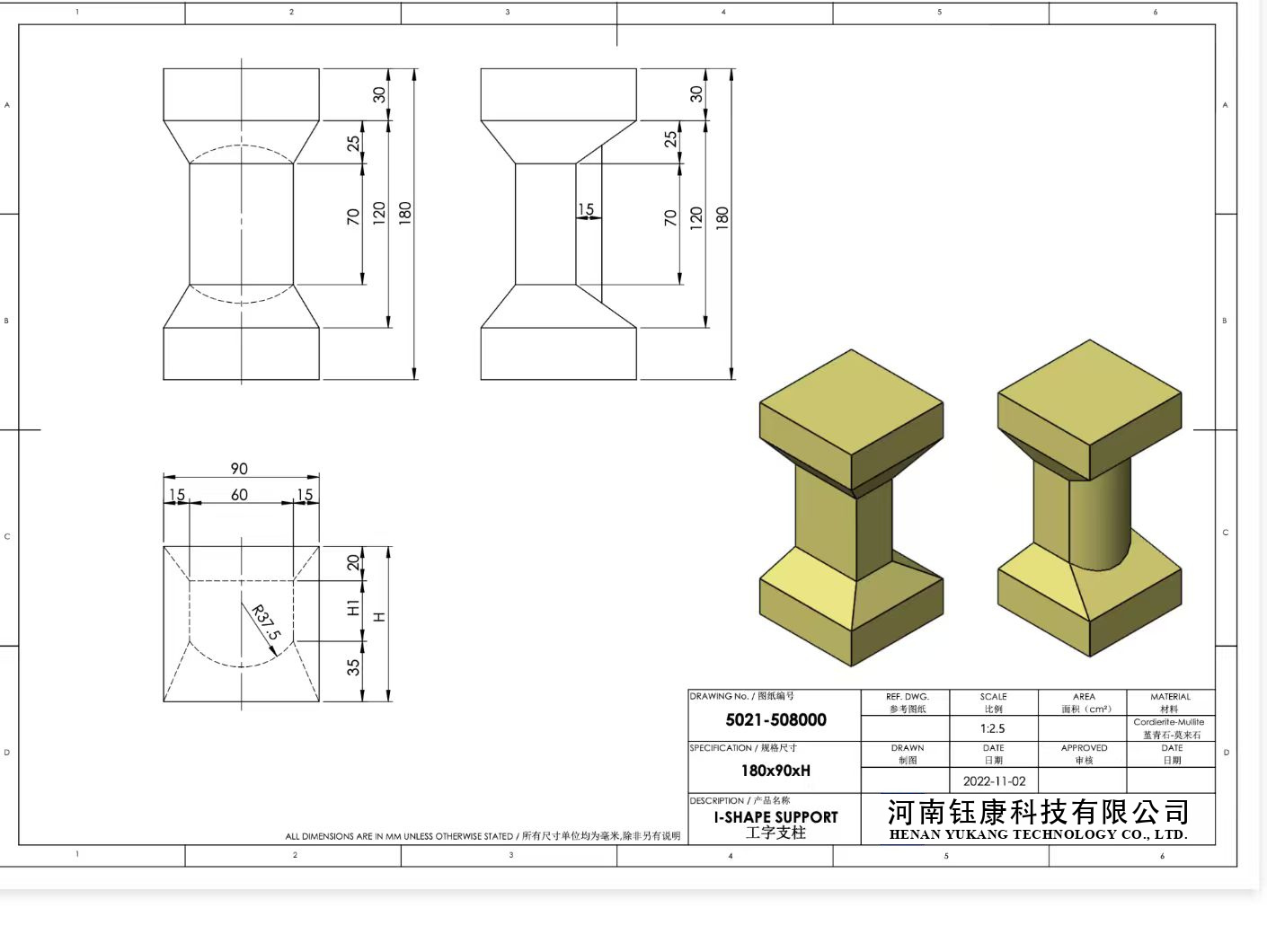
What to Specify Before Ordering
Use the examples below to check what details to provide with a quote request.
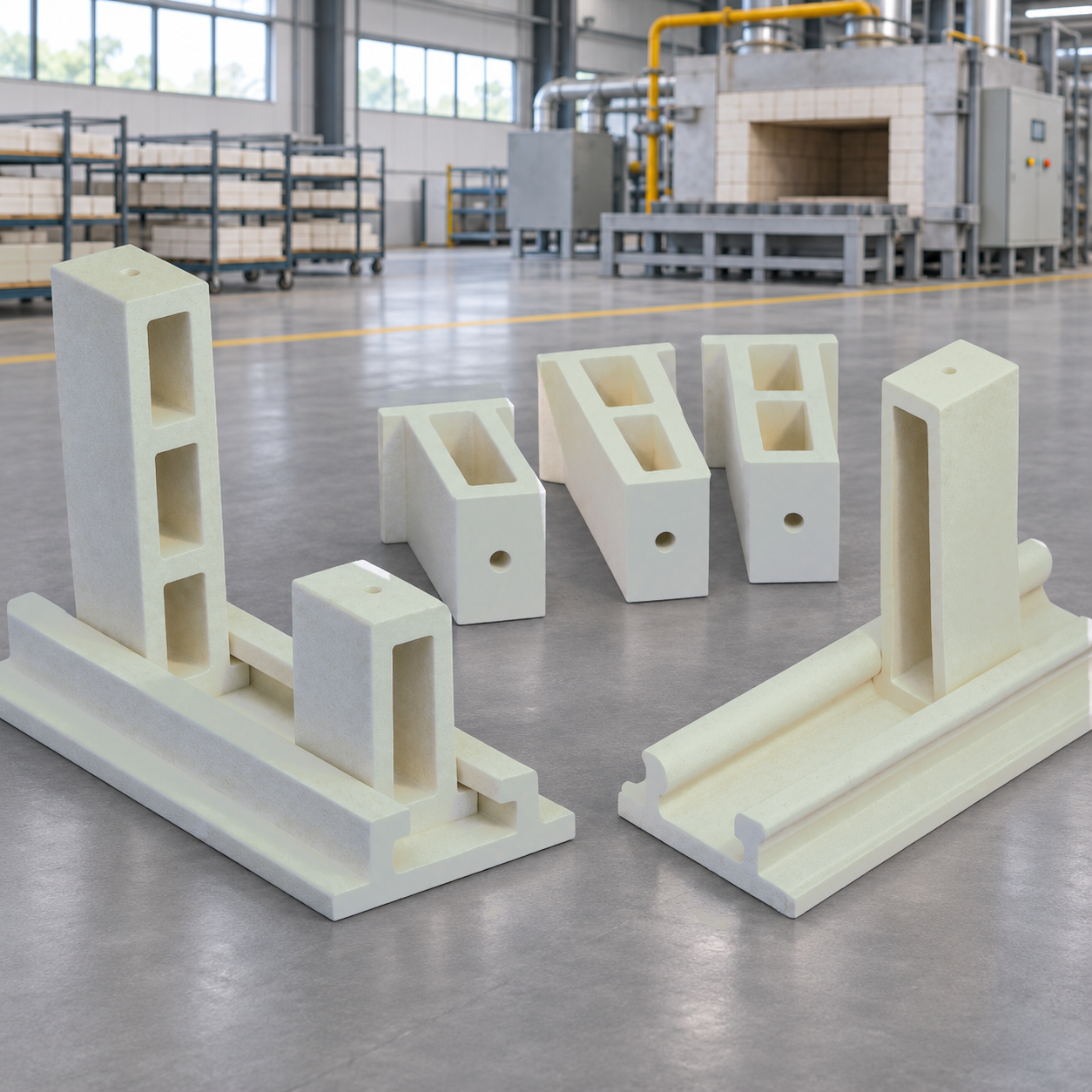
Identify the Installation Position
Identify the function first, such as the loading tier, support structure, saggar, kiln ceiling or refractory lining.
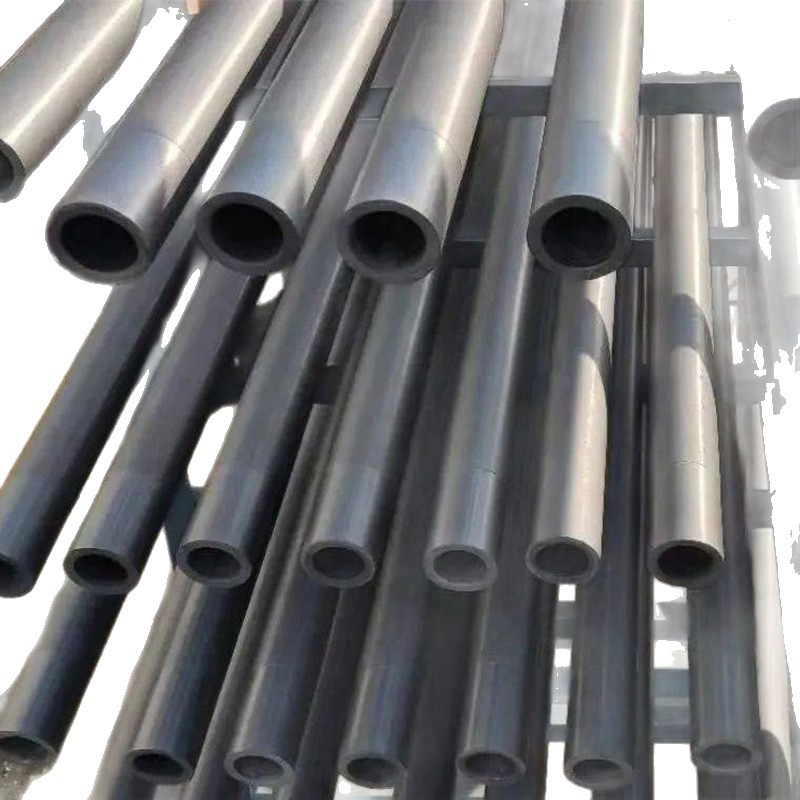
Specify Kiln Operating Conditions
Provide the kiln type, target temperature, heating and cooling profile, atmosphere, loading cycle and site conditions.
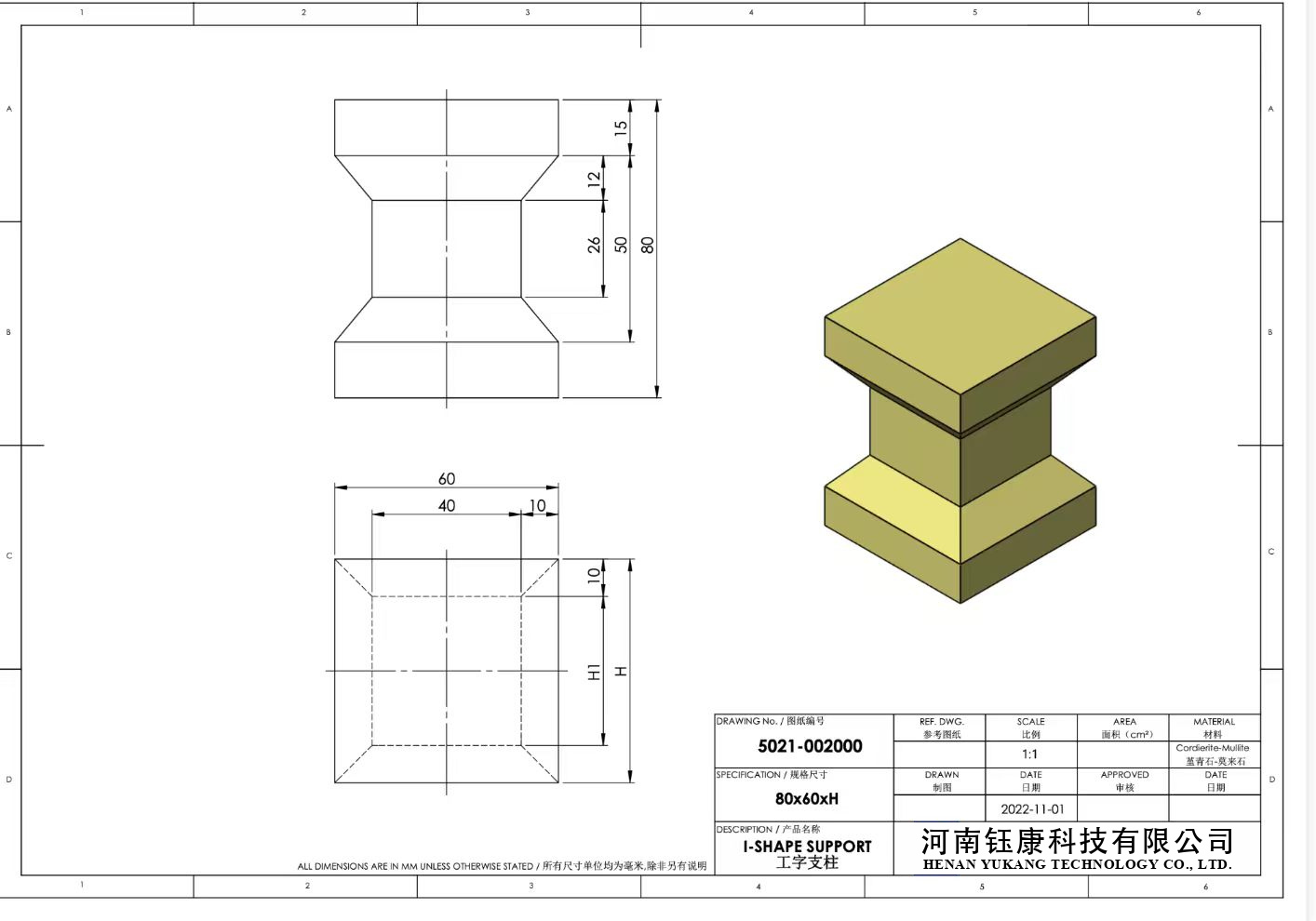
Check Dimensions and Fit
Check length, width, height, thickness, hole positions, interfaces, spacing, clearance, tolerances and mating parts. Include measurements of existing parts when requesting replacements.
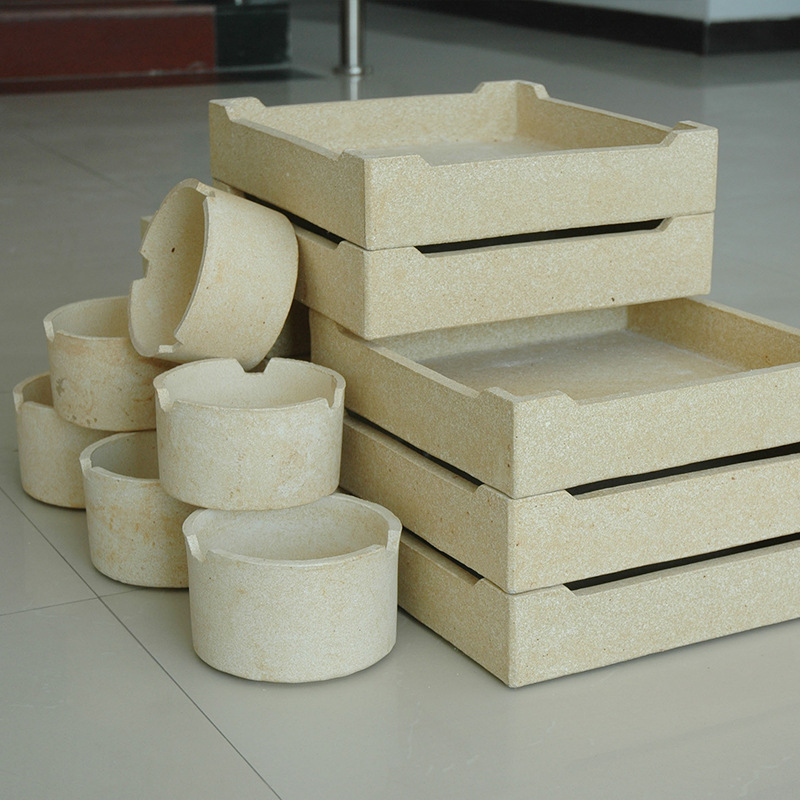
Confirm Loading Requirements
Specify what will be fired, quantity per tier, number of tiers, expected load, operating frequency and replacement interval.
Find Products by Kiln Structure
The network is summarized by product title, picture and available drawings.
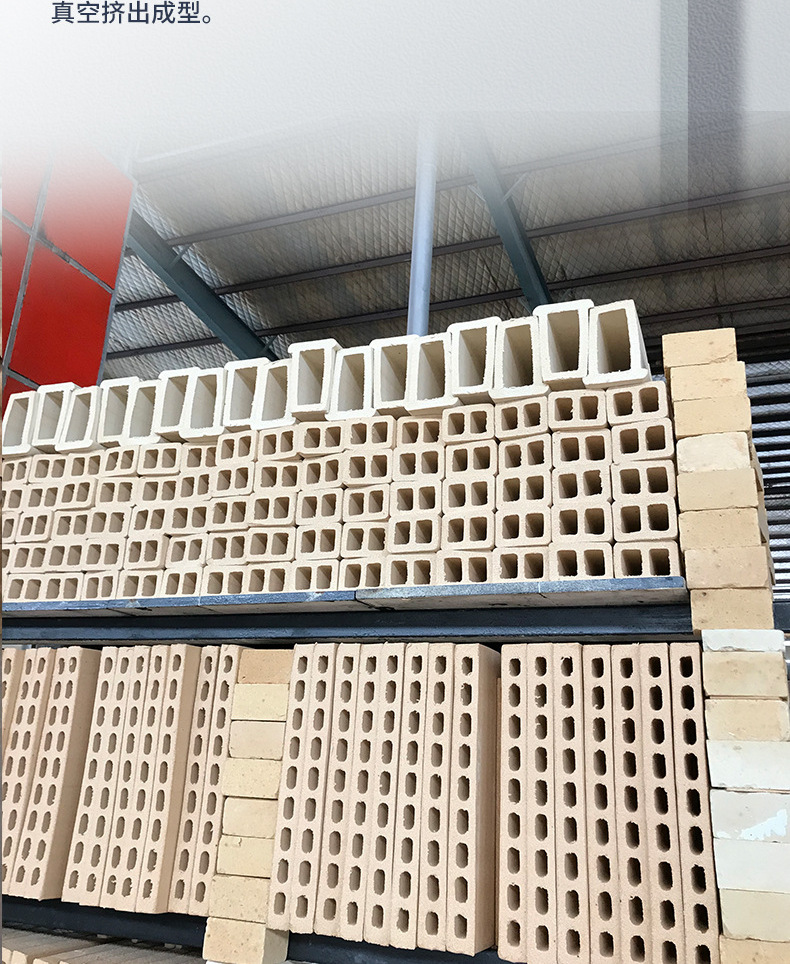 01
Kiln Shelves and Loading Tiers
Medium, solid and saped kiln shelf, with emphasis on shape, thickness, hole, support node and load mode.
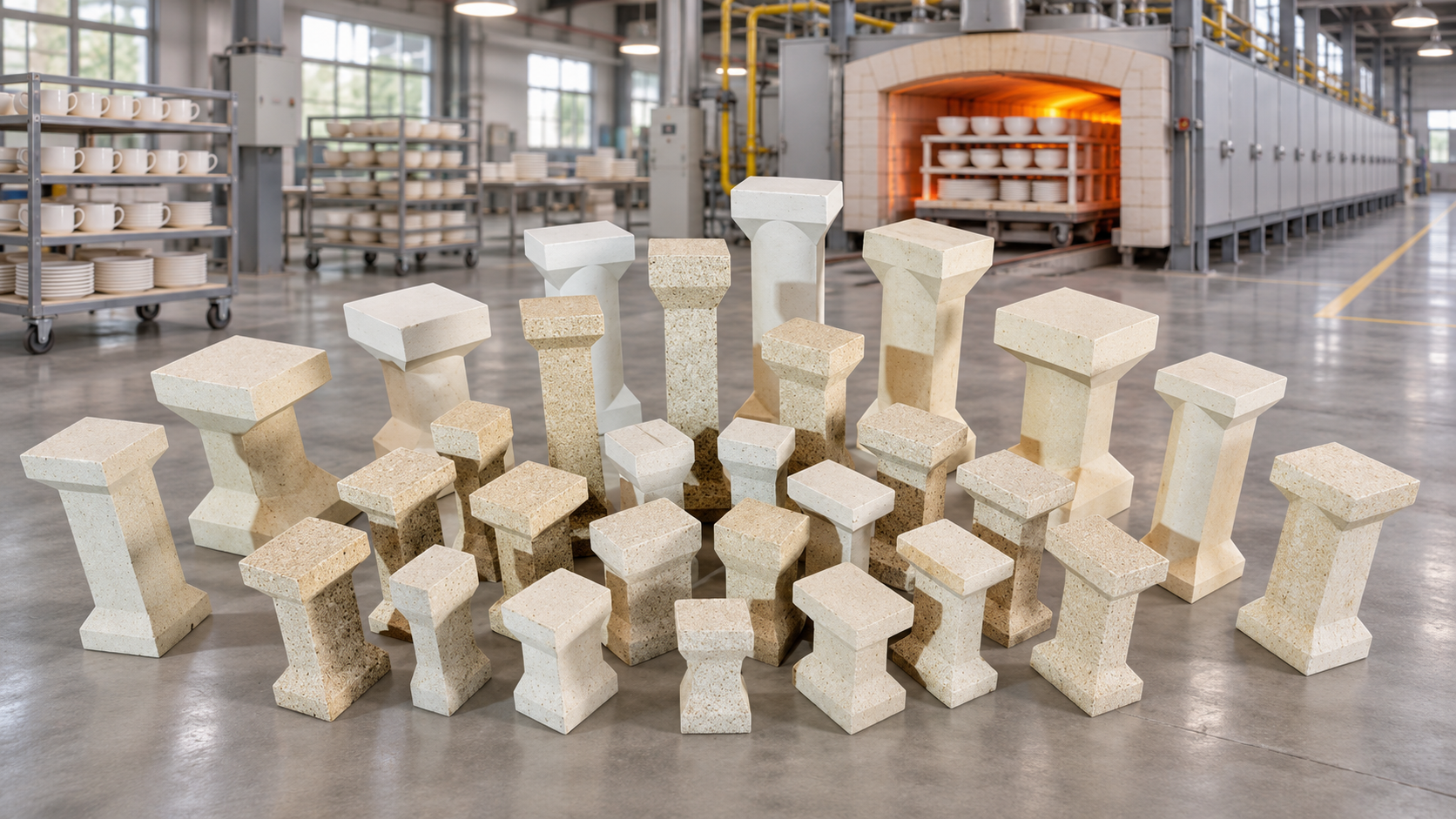 02
Support Posts and Fittings
The common column, the middle column and the annex together determine the height, spacing, assembly stability and interchangeability of the layers.
03Saggars, Crucibles and Kiln Furniture
The structure is identified around the shape of the burning product, the density of the load, the wall thickness and the extraction method.
04Kiln Ceiling System
Checks the ceiling structure, the hanger interface, the placement direction and the distance check.
Information to Include in Your Quote Request
When the exact size is not available, the current product photo, the inside panorama of the furnace, and the key interface feature can be provided first. The information is complete before entering the structure to confirm, reducing the risk of repeated identification and mismatching.
Product number, cargo number, measured dimensions of old items, photographs and reasons for replacement.
Kiln type, temperature zone, heating and cooling profile, atmosphere and contact media.
Length, width, height, hole positions, support span, tier clearance, spacing and mating parts.
Burning products, single-layer quantities, stacking methods, expected weights and operating frequency.
Quantity, packaging, delivery nodes, size acceptance and accompanying documentation.
Temperature resistance, strength, heat shock, exposure response and life-long objectives are confirmed in writing.

Technical FAQs
Replace the existing kiln furniture. What should be measured in the first step?
The photograph suggests that the whole, back and key interfaces be taken simultaneously.
Why should different specifications not be judged by material names alone?
Even if all are indicated, the form, cross-section structure, thickness, support conditions and actual operating conditions of the product may differ, and the final suitability should be based on drawings, samples or technical confirmation in writing.
What conditions of use need to be identified before asking for quotations?
At a minimum, indicate the type and location of the furnace, the target temperature zone, the temperature and cooling patterns, the atmosphere in the kiln, the burn products, the number of loads, the expected load, the replacement cycle and the delivery requirements.
What should be the final basis for implementation?
It is recommended that written information such as product numbers and names, structure and size maps, material markings, supporting relationships, quantity and packaging, delivery nodes and receiving and inspection calibres should be developed to avoid entering production using only chat names.
Review Before Ordering
Professional communication should not be limited to product names and quotation figures, but should also be based on size, interface, acceptance and subsequent changes.
Product definition
Identify product name, number, form, material identification and applicable location.
Structure & Dimensions
Key interfaces, holes, traffic and assembly relationships are identified by drawings or size scales.
Operating Conditions and Limits
Confirm temperature, firing atmosphere, loading conditions and material grade.
Acceptance Criteria
Confirmation of appearance, size, quantity, packaging and accompanying information requirements prior to the order.
Prepare a One-Page Selection Brief
The contact page provides structured and locally generated summaries and does not automatically submit forms to third parties.